Ealing Common removals near Walpole Park and stations: a practical local guide
If you are planning Ealing Common removals near Walpole Park and stations, you are probably juggling more than boxes. You may be thinking about tight streets, station traffic, parking, awkward access, and how on earth to get a sofa through a hallway that seemed wider when you first viewed the flat. That is normal. In this part of West London, the details matter, and a good move is usually less about brute force and more about timing, planning, and local know-how.
This guide breaks down what to expect, how to prepare, and which choices make life easier if you are moving close to Ealing Common, Walpole Park, and the nearby rail and Underground stations. Whether you are moving a studio, a family home, or a small business space, the aim here is simple: help you make calm, practical decisions and avoid the mistakes that turn moving day into a long, noisy headache.
You will also find a useful checklist, a comparison of common moving options, and a few real-world tips that are genuinely handy, not just nice-sounding advice. Let's make the whole thing feel a bit more manageable, shall we?
Quick expert summary: Moves around Ealing Common often run smoother when access, loading time, station-side congestion, and packing are sorted before the van arrives. If you prepare those four things well, you have already solved a big chunk of the problem.
Table of Contents
- Why Ealing Common removals near Walpole Park and stations Matters
- How Ealing Common removals near Walpole Park and stations Works
- Key Benefits and Practical Advantages
- Who This Is For and When It Makes Sense
- Step-by-Step Guidance
- Expert Tips for Better Results
- Common Mistakes to Avoid
- Tools, Resources and Recommendations
- Law, Compliance, Standards, or Best Practice
- Options, Methods, or Comparison Table
- Case Study or Real-World Example
- Practical Checklist
- Conclusion
- Frequently Asked Questions
Why Ealing Common removals near Walpole Park and stations Matters
Location changes the shape of a move. Around Ealing Common, Walpole Park, and nearby stations, you are often dealing with a mix of residential streets, commuter movement, and parking pressure that can shift through the day. That sounds obvious, but in practice it affects everything from arrival time to how long a crew needs at the kerb.
Station-adjacent moves tend to be more sensitive to timing. Early morning can be calmer for loading, while later periods may bring more foot traffic, more vehicles stopping briefly, and more pressure on parking bays. Around Walpole Park, access can also feel different depending on the street layout and the size of the property. A move that looks straightforward on a map can become a real puzzle once a driver is trying to position a van safely and legally.
For residents, this matters because stress usually comes from the small things: nowhere to wait, nowhere to park, lifts being busy, or a sudden need to carry items further than expected. For businesses, the stakes can include customer disruption and lost working time. So the local context is not just background detail. It is the move.
There is also a trust angle here. A mover who understands the area can make better calls on vehicle size, loading order, and realistic timings. That usually means fewer surprises. And, to be fair, everyone likes fewer surprises on moving day.
How Ealing Common removals near Walpole Park and stations Works
At a practical level, removals in this area usually follow the same broad pattern as anywhere else in London, but with more attention paid to access and timing. The process normally starts with an inventory of what is being moved, where the items are coming from, and where they need to go.
Once that is clear, the mover can decide whether a man and van service is enough, or whether a larger vehicle makes more sense. For lighter moves, a flexible service can be ideal. For larger homes, full-load jobs, or office relocations, you may need something closer to a dedicated van-and-crew setup, or even a removal truck hire arrangement.
Pack timing matters too. If your belongings are boxed, labelled, and ready to move, the job becomes far more efficient. If not, the team may have to pause repeatedly while you decide what goes where. That is where a packing and unpacking service can save a surprising amount of energy, especially if you are moving with children, working full-time, or simply trying to keep the day sane.
In real life, many local jobs are a blend of moving, lifting, careful navigation, and quick decision-making. A piano move, a sofa with tight turns, a fridge that needs proper handling, or a last-minute pile of items you forgot were in the spare room can all change the plan. Good movers adjust. The best ones adjust without making it feel like drama.
If you are moving a flat or a smaller property, you may only need a simple loading and transport service. If you are moving a whole household, it can be worth exploring home moves or, for larger or more complex household relocations, house removalists. For commercial moves, the right approach is often different again, which is why commercial moves and office relocation services are usually planned around minimal downtime.
Key Benefits and Practical Advantages
The main benefit of a well-planned local move is simple: less friction. But that broad idea breaks into a few very practical advantages.
- Better timing: You can choose collection windows that fit around station traffic and local access patterns.
- Faster loading: A smaller, well-organised job is easier to complete in one run.
- Reduced risk of damage: Clear walkways, careful packing, and the right vehicle reduce knocks and scrapes.
- Lower mental load: When someone else handles the lifting and transport, you can focus on keys, paperwork, and the hundred tiny things that always appear.
- More flexibility: A local mover can often adapt more easily if the plan changes a little. And in moving, plans do change. Always.
There is another advantage that people sometimes overlook: local familiarity can save time. When a team understands Ealing Common's street patterns, station approaches, and the rhythms of nearby roads, they are often better at avoiding bottlenecks. That does not magically remove all delay, of course, but it helps.
If you need to move a few bulky pieces rather than a whole house, a service like furniture pick-up may be more efficient than booking a larger setup you do not need. It is a small thing, but the right-sized solution often feels better and costs less in the end.
Who This Is For and When It Makes Sense
This kind of removals service suits a wide mix of people. If you are within walking distance of Walpole Park, near the station, or in the wider Ealing Common area, you may find it especially helpful if any of the following sound familiar:
- You are moving from a flat with stairs or limited lift access.
- You need a short-notice move and do not want a huge, complicated operation.
- You are relocating between rented properties and want a straightforward, careful job.
- You are a landlord or letting agent arranging a tenant move-out or move-in.
- You run a small office, studio, or consultation space and need everything shifted efficiently.
- You have large items to dispose of at the same time as moving, such as a worn mattress or an old sofa.
It also makes sense for people who value convenience over trying to handle everything themselves. Yes, you can hire a van and enlist a few friends. People do it all the time. But then comes the awkward bit: the bad weather, the narrow stairwell, the one cupboard that contains ten years of "I'll sort it later," and the realisation that everyone is now tired before lunch. Funny, that.
If you are moving office furniture, archived files, or equipment, you may also want to look at man with van support for smaller jobs, or a more structured business move if the whole workplace needs to shift. If confidential materials are involved, confidential shredding is worth considering as part of the clearance process.
Step-by-Step Guidance
Here is a sensible way to handle a move near Ealing Common, Walpole Park, or the stations without turning it into a last-minute scramble.
- List everything that is moving. Write down the main furniture, boxes, fragile items, appliances, and anything unusually heavy.
- Check access. Think about stairs, narrow hallways, lift sizes, parking, and how far the van may need to stop from the door.
- Decide the level of service. Are you moving a few pieces, a full flat, or a full business setup? That answer shapes the whole job.
- Book the right transport. For a single room or a few items, a smaller service may be enough. For bigger loads, a moving truck may be a better fit.
- Pack properly. Use sturdy boxes, tape, labels, and a sensible room-by-room system. Put heavy items in small boxes. Your back will thank you.
- Prepare fragile and awkward items separately. Lamps, mirrors, electronics, and glass need extra thought.
- Clear the paths. Hallways and doorways should be open before the crew arrives.
- Keep essentials aside. Documents, chargers, medication, snacks, keys, and a kettle if you are British and emotionally attached to tea.
- Confirm the plan. Recheck time, addresses, contact details, and any special access notes the day before.
- Walk through the property at the end. Check cupboards, drawers, loft spaces, and the back of doors. People forget things there all the time.
If you are decluttering before the move, you may want to use mattress and sofa disposal for bulky old items, or fridge and appliance removal for white goods that are no longer needed.
Expert Tips for Better Results
There are a few habits that consistently make removals smoother in this part of London.
First, book earlier than you think. This is especially true if your move lands near a weekend, a month-end, or a period when station traffic is heavier. Early planning gives you more control over time slots and access arrangements.
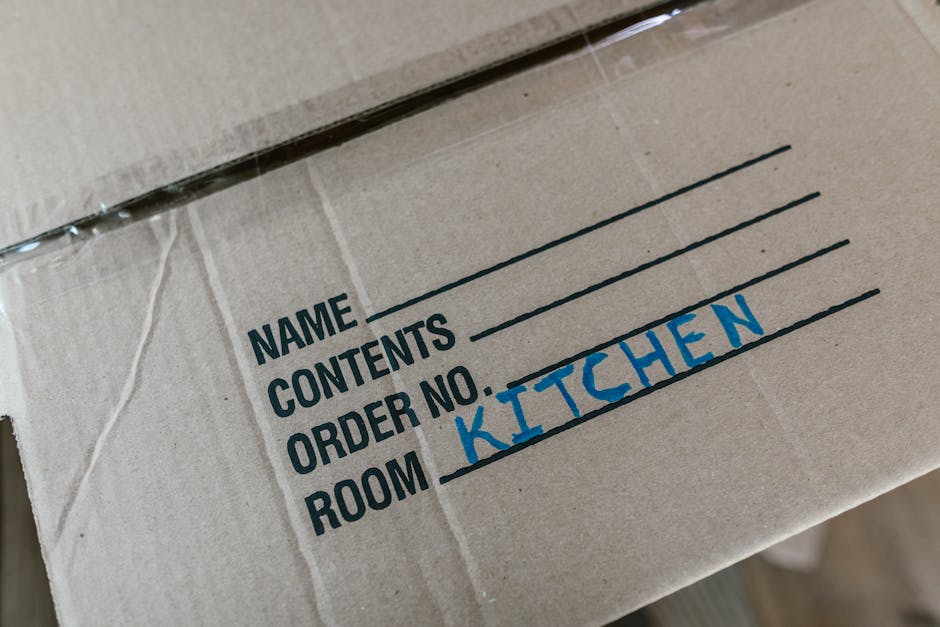
Second, label beyond the obvious. "Kitchen" is okay. "Kitchen - pans and plates" is better. "Kitchen - unpack first" is even better. The goal is not neatness for its own sake; it is reducing confusion when you are tired and slightly hungry at the other end.
Third, protect the awkward bits. Use blankets, wrap, or proper covers for corners, tabletops, and anything with a delicate finish. A quick scuff on a wall or a chipped bed frame can spoil the whole mood.
Fourth, be honest about volume. If you think everything will fit into one run, ask yourself: are you counting the stuff in the shed, the cupboard under the stairs, and the random bag of cables no one has opened since 2018? Exactly.
Fifth, keep an eye on disposal needs. Moving is often the perfect moment to deal with bulky waste, broken furniture, or old appliances. If you want to think about recycling and responsible disposal at the same time, recycling and sustainability is a useful mindset to build into the plan from the start.
And one more small thing: if the job is more complicated than it looks, say so early. A good mover would rather know now than discover it when a sofa is halfway down the stairs. That way lies unnecessary sweating.
Common Mistakes to Avoid
A lot of moving stress comes from a handful of predictable mistakes. The good news is that they are easy to dodge once you know what to look for.
- Underestimating access problems: A parking space may look close enough on paper, but a busy street or a narrow kerb can change everything.
- Leaving packing too late: Last-minute packing almost always leads to poorer protection and more forgotten items.
- Choosing the wrong vehicle size: Too small means extra trips. Too large can be awkward in tight areas and may not suit the route.
- Forgetting disposal items: Old mattresses, fridges, and sofas often get left until the final hour.
- Not checking what needs special handling: Some things are just awkward; others need more care because of weight, material, or safety concerns.
- Skipping insurance and safety questions: It is better to ask how items are protected than assume everything will be fine.
One subtle mistake is trying to move in perfect silence. People often hold back useful information because they do not want to seem difficult. Don't. If there is a broken lift, a narrow gate, or a side entrance that only opens with a code, mention it. That single detail can save half an hour.
Tools, Resources and Recommendations
You do not need a warehouse of gear to move well. A modest set of practical tools usually does the job.
- Strong cardboard boxes in a few sizes
- Packing tape and a tape dispenser
- Marker pens for clear labels
- Bubble wrap or paper for breakables
- Furniture blankets or covers
- Zip bags for screws, fittings, and cables
- Basic cleaning items for the final sweep
For many people, a good moving plan also includes professional support with the bits that are hardest to do alone. If you want full help with the household side of a move, home moves can be a sensible starting point. If your move is slightly larger or needs a more structured team, house removalists may suit you better.
For business customers, office relocation services can help keep disruption under control. If your office move involves desks, chairs, filing cabinets, or IT equipment, it is often worth planning the sequence carefully so staff can get back to work quickly.
And if you are still comparing service levels or trying to make sense of what a move might cost, pricing and quotes is the kind of page you would usually check early. Straightforward information there can help you decide whether you need a full move, a small vehicle, or a lighter touch.
Law, Compliance, Standards, or Best Practice
For removals in London, the safest approach is to follow ordinary UK moving best practice rather than guessing. That means using proper lifting techniques, handling vehicles responsibly, and being careful around pavements, steps, and busy roads. It also means being honest about what is being moved and whether any items need special attention.
Some items are not just bulky; they are sensitive or regulated in a practical sense. For example, appliances may need careful handling, sharp or dangerous waste should not be mixed in with ordinary household items, and confidential papers should not be left in a box labelled "misc." That is where services such as hazardous waste disposal and confidential shredding can be relevant, depending on what you are clearing out.
Safety and insurance are also part of good practice. A reputable mover should be able to explain how goods are handled, how loading is managed, and what precautions are used for transit. It is worth reviewing insurance and safety before you book, especially if you have valuable or fragile items.
If you are curious about a provider's broader standards, it can also help to check their health and safety policy and, where relevant, their general business information on about us. That is not about chasing paperwork for its own sake. It is about reassurance. A calm move usually starts with a calm, organised provider.
Options, Methods, or Comparison Table
Different moves need different setups. Here is a simple comparison to help you choose a sensible approach.
| Option | Best for | Strengths | Watch-outs |
|---|---|---|---|
| Man and van | Small flat moves, a few items, quick local jobs | Flexible, efficient, often ideal for short-distance transport | May be less suitable for larger households or heavy inventories |
| Home move service | Standard residential moves | Good balance of support, loading help, and transport | Needs accurate inventory and timing |
| House removalists | Full-house or more complex residential relocations | Structured, careful, practical for bigger loads | More planning required upfront |
| Office relocation services | Business premises and workspaces | Helps manage downtime and coordination | Requires clear access and inventory planning |
| Truck hire | Larger load sizes or more furniture | Better capacity for bulky moves | Can be harder to manage in tight local streets |
If you are only shifting a handful of items, simplicity wins. If you are moving a whole family home or several rooms of furniture, a larger and more structured service is usually the better call. It sounds obvious, but people often overbuy on moving capacity. Or underbuy. Both happen. Both are annoying.
Case Study or Real-World Example
Here is a typical kind of move you might see near Ealing Common, without turning it into a fantasy success story.
A couple moving from a second-floor flat near the station had a mix of furniture, boxed belongings, a mattress, and a fridge that was no longer worth taking. On paper, it looked like a straightforward half-day job. The catch? Stair access was tighter than expected, parking was limited at the front, and they had packed more books than they cared to admit.
What made it work was not magic. It was preparation. They labelled boxes by room, separated fragile items, cleared the hallway the night before, and flagged the fridge removal in advance. The mover could then plan the loading order sensibly, avoid re-handling items, and finish without the usual last-minute panic.
The couple later said the best part was not the speed. It was the feeling that nothing had been forgotten. That is the real win in a move like this. Not dramatic. Just steady, organised, and oddly peaceful by the end.
Practical Checklist
Use this checklist before moving day. It saves time, and honestly, it saves your nerves too.
- Confirm the moving date and arrival window
- Check whether the van can park close to the property
- Measure large furniture against doors, halls, and stairs
- Pack and label boxes clearly by room
- Set aside valuables, documents, and essentials
- Separate items for disposal or recycling
- Arrange help for anything unusually heavy or awkward
- Protect floors, corners, and delicate surfaces where needed
- Remove loose items from shelves and drawers
- Do a final walk-through of every room, cupboard, and storage space
Mini reminder: if you are moving a mixed load with old furniture or appliances, plan disposal separately rather than leaving it to the end. That one decision can make the whole day feel cleaner and more controlled.
Conclusion
Ealing Common removals near Walpole Park and stations are easiest when you treat them like a local project, not just a transport job. The streets, access points, station traffic, and property layouts all affect how the move flows. Once you plan around those realities, everything gets simpler.
The biggest gains usually come from the basics: accurate inventory, sensible packing, the right vehicle, and a mover who understands the area well enough to anticipate the awkward parts before they happen. That is what turns a stressful day into a manageable one. Not perfection. Just good preparation and a bit of local judgement.
If you are comparing options, need help with packing, or want to clear bulky items alongside the move, it is worth exploring the service pages linked above and choosing the level of support that matches your situation. No need to make it harder than it has to be.
Get a free quote today and see how much you can save.
And if the whole thing still feels a bit much, that is fair. Moves are a lot. But with the right plan, they are also very doable, and the relief at the end is worth it.
Frequently Asked Questions
What is the best removals option for a flat near Ealing Common station?
For smaller flats, a man and van setup is often the most practical choice because it is flexible and efficient for local transport. If you have more furniture or several rooms of belongings, a fuller home move service may be better.
How far in advance should I book Ealing Common removals near Walpole Park and stations?
It is wise to book as early as you can, especially for weekends or end-of-month dates. Early booking gives you more control over timing, vehicle choice, and access planning.
Do I need packing help for a local move?
Not always, but packing help can save a lot of time if you are busy or moving a household with fragile items. It is especially useful if you want to keep the move day calm rather than rushing boxes at the last minute.
Can removals teams help with furniture disposal too?
Often, yes, provided the items are suitable for collection and disposal is arranged in advance. Large items such as sofas, mattresses, and appliances are common examples of things people clear out while moving.
Is a moving truck necessary for a small move?
Usually not. For a few items or a small flat, a smaller transport option can be more sensible. A larger truck makes more sense when the load is bulky, high-volume, or includes several big pieces of furniture.
What should I tell the mover before moving day?
Share as much practical detail as possible: access restrictions, parking issues, stairs, lifts, bulky items, fragile items, and anything that needs special handling. The more they know, the better they can plan.
How do I reduce stress on moving day?
Pack early, label clearly, keep essentials separate, and make sure paths are clear before the crew arrives. Small things make a big difference. A tidy hallway is worth its weight in gold on moving day.
What if I only need to move a few large items?
For a few items, a furniture pick-up or smaller van-based service may be enough. That can be cheaper and far more convenient than booking a larger move you do not need.
Are there safety considerations for appliance moves?
Yes. Fridges, washing machines, and similar items need careful handling, correct lifting, and the right loading method. If an appliance is no longer wanted, arranging removal separately can be the safer choice.
What makes a removals service trustworthy?
Clear communication, realistic timing, appropriate transport, and sensible attention to safety are all good signs. It also helps if the provider explains how it handles insurance, packing support, and access planning.
Do local removals services work for office moves as well?
Yes. Office relocation services are designed for business spaces, where timing and downtime matter just as much as transport. If you are moving equipment, desks, files, or stock, a structured approach is usually best.
Should I ask about insurance before I book?
Absolutely. It is sensible to ask how items are protected and what level of cover or process is in place. That kind of conversation is not awkward; it is just good practice.