Ealing man with van

Ealing man with van services give households and businesses a practical way to move items across the borough and beyond with a vehicle sized for smaller moves, careful loading and straightforward transport. This service is suited to single items, part-load moves, furniture runs and short notice collections where a full removals vehicle would be unnecessary. Our focus is on moving belongings safely, organising the journey well and keeping the work clear from the first enquiry through to delivery.
We handle a range of moving tasks under the man and van umbrella, from lifting and carrying to arranging items so they travel securely. That can suit customers who are moving from a flat, relocating a few rooms of furniture, collecting purchases or shifting stock between premises. Careful handling matters as much as the vehicle itself, because good planning reduces the risk of damage and helps the move run in the right order.
For a simple move, the best starting point is to describe what needs moving, where it is going and any access details so the right approach can be chosen. If you already know the volume, mention that as well; if not, a short list of key items is usually enough to begin. Request a quotation when you are ready and the next step can be arranged without unnecessary back and forth.
Home moves and room-by-room transport
For domestic work, our man with van service can be used for smaller home moves, student clearances, flat transfers and partial house moves where only selected furniture or boxes need to travel. A compact load is often better suited to this approach than to a larger removals booking, especially where there are a few bulky items and a tighter schedule. The work can include beds, tables, chairs, boxes, white goods and other belongings that need loading in the correct order.
The most useful home-move decisions usually involve access and sequence. If stairs are narrow, parking is limited or there are items that need dismantling before they can go, those points should be considered early. A sensible load plan helps protect the more fragile items and makes the destination easier to unload. Order of loading matters too, because the last items on the vehicle may need to come off first at the other end.
Items that are often moved
Typical home-move loads can include wardrobes, settees, office chairs, chests of drawers, boxed belongings, bicycles and hobby equipment. Some customers also use the service for movement between storage and a property, or for taking surplus items to a second address. If dismantling is needed, it is helpful to keep fittings together and label panels clearly. That small amount of preparation can make reassembly and placement easier once the load arrives.
Furniture collection and local deliveries

Furniture collection is a practical part of the man with van service when a customer needs an item picked up from a shop, a seller, a warehouse or another property and delivered to the right address. This suits beds, cabinets, dining sets and individual pieces that are awkward to collect in a standard car. If the route includes internal stairs, tight corners or limited parking, those details help shape the loading and unloading plan before travel begins.
It is also useful for furniture that needs careful positioning once delivered. Some items are better transported upright, while others need padding between surfaces or blankets around vulnerable edges. When two or more heavy items are travelling together, the sequence of loading should be chosen so they remain stable in transit. Good packing and restraint are part of a sensible move, even where the journey itself is not long.
Customers arranging a furniture run often want clarity on what the service will and will not include. The work may involve collecting a single item, moving a coordinated set or taking a few pieces from one property to another. If you are comparing options, keep the request simple and specific: list the furniture, the pickup and delivery points, and whether anyone will help at either end. That gives the move a solid starting point.
Office relocation services for smaller premises
Our office relocation services are suitable for smaller workplaces that need desks, chairs, filing, boxes and equipment moved without disrupting the entire business for longer than necessary. A man with van arrangement can work well for branch moves, start-up offices, studio spaces and partial relocations where the load is manageable and timing needs to be sensible. The aim is to transport business items in an organised way so they are ready to place in the new setting.
Office work often benefits from simple labelling and a clear plan for priority items. Furniture and equipment can be grouped by room, department or desk area, which makes unloading more efficient and helps the destination team settle in more quickly. A move that includes monitors, printers, archive boxes or small storage units may also need extra care around stacking and padding. Clear labelling helps reduce handling errors and keeps related items together.
Where a workplace move includes confidential paperwork or mixed contents, it is worth separating what needs immediate use from what can wait. Moving a business space is easier when fragile items, lightweight equipment and heavier furniture are identified before loading. This service is not about unnecessary disruption; it is about moving the right items in a way that fits the premises and the day’s schedule.
Packing support, loading and protection

Packing and unpacking support can be a useful addition when items need more than simple carrying from one place to another. Some customers only need help with fragile pieces, while others want boxes prepared, protected and placed so they are easier to unload later. This part of the service is especially helpful when mixed contents are involved, because careful packing can reduce movement during transit and make the move more manageable at delivery.
Reasonable preparation might include wrapping delicate items, separating loose parts, securing cupboard doors and using boxes that suit the contents rather than forcing everything into one container. Large or uneven objects may need blankets, ties or protective material so surfaces do not rub during the journey. The better the packing, the easier it is to keep everything steady and easy to handle. Protection during transit is not a luxury; it is a basic part of moving responsibly.
If you are planning a move with several breakable or awkward items, it can help to decide in advance which pieces need special treatment and which can go on the van more directly. That makes loading faster and gives each item the right level of care. Packing support can be arranged around the nature of the load rather than treated as a one-size-fits-all add-on.
Special item removal and disposal
Some moving jobs involve getting rid of bulky items rather than taking them to a new address, and that is where services such as furniture pick-up, mattress and sofa disposal, fridge and appliance removal, and confidential shredding become relevant. These are practical options when the goal is to clear space, separate reusable items from waste or remove pieces that are not suited to ordinary domestic transport. The work should always be matched to the item type and the destination chosen for it.
Different goods call for different handling. Appliances can be heavy and awkward; sofas and mattresses are bulky but often easier to move with the right lifting technique; paper records need a separate approach if they contain confidential material. Where disposal is involved, the important point is not just lifting the item out of the property but making sure it goes to the correct place afterwards. Suitable sorting helps keep the job orderly and avoids confusion at collection.
Customers often appreciate a simple distinction between moving and removal. A move brings belongings to a new address, while removal takes unwanted items away for disposal, recycling or other processing. If you are unsure which category your job fits, list the item types and the intended outcome. That lets the work be matched to the right service path from the outset.
How to plan a straightforward quotation
A clear quotation is easier to prepare when the load, access and journey are described in plain terms. The most useful information is the number of items, any bulky or fragile pieces, whether stairs are involved and whether the vehicle can park close to the property. If you know the collection and delivery postcodes, that helps too, but the item list is often the most important detail for a man with van job. A short message can be enough to begin.
When arranging a quote, it also helps to mention timing preferences, whether loading support is needed and whether the job includes more than one stop. If items are still being sorted, give an honest estimate rather than waiting for everything to be perfect. That gives a better foundation for planning. Keep the request direct: what is moving, from where, to where, and what help is needed on the day.
- List the main items and any especially awkward pieces.
- Note access issues such as stairs, lifts or limited parking.
- Say whether packing, dismantling or unloading help is required.
- Include the pickup and drop-off areas, plus any extra stop.
About Ealing
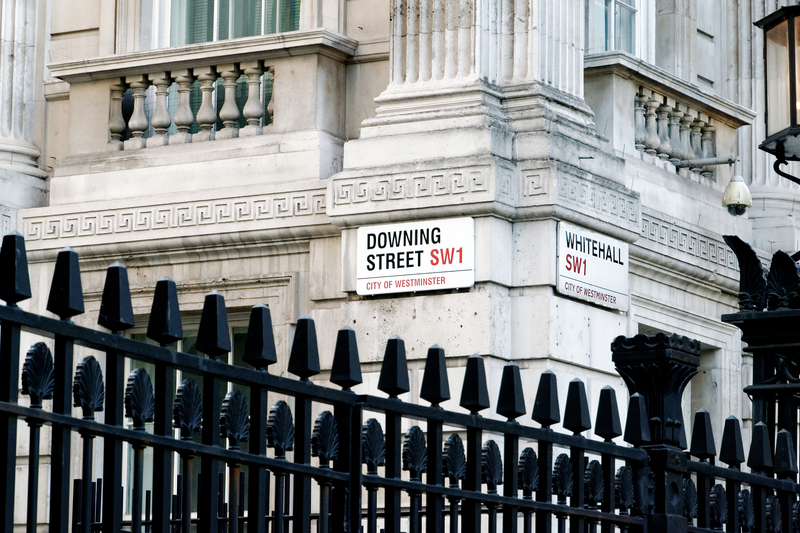
Ealing is a large district in west London, long known for its village green core, Victorian and Edwardian streets, and a centre that grew from a rural settlement into one of the borough’s best-known town areas. Ealing Broadway acts as a major focal point, combining shopping, transport and civic activity, while the surrounding streets include a wide range of housing styles that reflect different periods of expansion. The area is often associated with the borough rather than a single compact town centre, and that wider setting gives it a mixed character of residential neighbourhoods, commercial corridors and green open spaces. Walpole Park is one of its notable public parks, with landscaped grounds and a setting that connects the town centre to a more open, historic landscape. Pitzhanger Manor adds architectural interest nearby, standing as a Regency villa closely linked to the work of Sir John Soane. Ealing also has strong cultural associations, particularly through the history of film studios and the long-running Ealing comedies that helped define a certain style of British humour. Transport links have played a major part in its growth, with rail and Underground connections helping bind the district to central London and neighbouring parts of west London. Beyond the most famous landmarks, the area contains local shopping streets, residential squares and community facilities that give it an everyday rhythm. Parks, period buildings and transport corridors sit alongside each other, so the district feels both established and active. Its character is shaped by this balance of heritage, movement and neighbourhood life, making it one of west London’s most recognisable localities.
Commercial moves and business transport

Commercial moves can range from moving a few office items to transferring stock, equipment or fixtures between premises. A man with van approach is often suitable where the volume is moderate and the work needs to be organised around opening hours, access restrictions or staged relocation. The value of the service lies in keeping business items together and delivering them in a state that makes unpacking and setup more straightforward.
Business loads may contain mixed item types, so the way they are packed and positioned matters. Lightweight materials can sit above heavier goods, but only where the arrangement is stable and sensible. If there are specialist items such as displays, archive boxes or portable equipment, they should be identified before loading so the van is used efficiently. Planned loading makes commercial transport more reliable and helps avoid unnecessary handling.
For some customers, the commercial move is not a full relocation but a transfer of selected items from one branch, unit or storage point to another. That may involve one stop or several, with the focus on practical transport rather than a large-scale office project. If the business move includes multiple locations, a concise schedule and a clear item list are the most useful starting points.
Moving truck alternatives and vehicle choice
Choosing between a man with van service and a larger moving truck depends on what is being moved, how much space it takes and how much access there is at each end. A van is often more efficient for smaller loads, repeat trips or properties where parking and manoeuvring are limited. It can also be a better fit when only a portion of a home or business needs to travel rather than everything at once.
Vehicle choice should be matched to the shape of the load as well as the quantity. Tall items, long boards, boxed goods and furniture each behave differently in transit, so the aim is to choose enough space without using more vehicle than required. That keeps the move practical and helps prevent unnecessary shifting while on the road. If the load includes several categories of item, discuss them together rather than treating each one in isolation.
In many cases, the best result comes from matching the vehicle to the access and the contents at the same time. A smaller, well-organised van can be easier to work with than a larger vehicle that is difficult to place near the property. That practical match is often what makes the move efficient.
Pricing, timing and the last step to book

Price factors for a man with van job usually include the amount to be moved, the distance travelled, the number of stops, the access at each property and whether extra handling is needed. Some moves are quick because the load is compact and the route is simple; others need more time because of stairs, dismantling, waiting time or awkward parking. The quotation should reflect the job as described, not guesswork, so accurate details are worthwhile.
Timing can also affect how the move is arranged, particularly when the load must fit around a building move, an exchange, a delivery window or a business opening. If there is a deadline, state it plainly and keep the rest of the request simple. A well-planned enquiry usually produces a more suitable response than a vague one. When you are ready, ask for a quotation and outline the move in a few clear lines.
If your job involves a home move, furniture collection, office relocation or item disposal, the next step is straightforward: send the main details and request a quotation. A clear description helps the right service be matched to the load and gives you a better idea of how the move can be handled. For a practical Ealing man with van service, that is often all it takes to get started.