Pitshanger Lane insider tips for removals in narrow streets

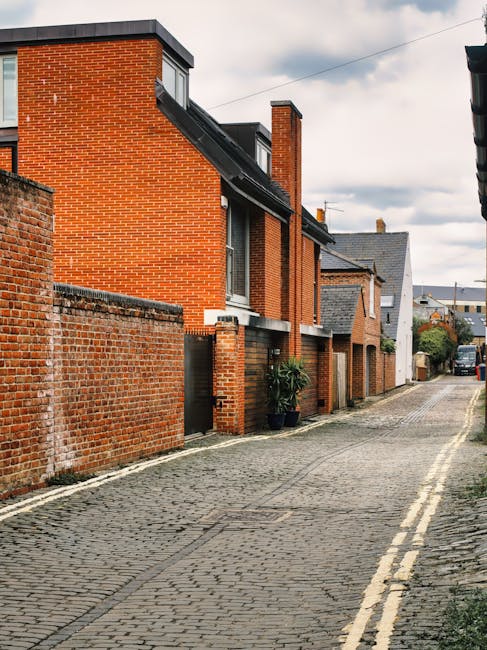
If you are moving on or near Pitshanger Lane, you already know the challenge: narrow streets, parked cars, tight turning space, and very little room for error. The good news is that a smooth move is absolutely possible with the right planning. These Pitshanger Lane insider tips for removals in narrow streets are written for real life, not fantasy logistics. They cover how to avoid delays, protect your belongings, keep neighbours onside, and make the day feel manageable rather than chaotic.
In narrow Ealing streets, the small details matter. Where the van waits. How boxes are stacked. Whether the sofa gets wrapped before it meets the front gate. And yes, whether you leave yourself enough time for that awkward moment when everyone is standing in the hallway wondering how the wardrobe is going to turn the corner. Let's make that part easier.
Why Pitshanger Lane insider tips for removals in narrow streets matters
Pitshanger Lane has a lot going for it: a lively local feel, residential streets close by, and a busy stretch that can be awkward for large vehicles at the best of times. For removals, that local character creates a very specific problem. The street may look navigable on a quiet walk, but on moving day it can feel much smaller once a van is trying to park, the lift trolley is loaded, and a second car appears from nowhere.
That is why the best removals in narrow streets are rarely about brute force. They are about sequence, timing, and clear decisions made before anyone carries the first box. A good plan reduces the number of times an item has to be lifted, turned, or carried back out again. It also reduces stress, which is no small thing when you are trying to relocate a home or business without turning the pavement into a holding zone.
There is also a courtesy element. On streets where parking is limited and people are already juggling school runs, deliveries, and daily life, a messy removal can create friction very quickly. The smarter approach is to keep the move compact, predictable, and efficient. That usually means using a man with van service or a suitably sized vehicle rather than assuming a bigger truck is always better. Bigger can help, sure. But on a narrow lane, oversized often becomes slower, not faster.
Put simply, the right approach matters because narrow-street removals are won or lost in the planning stage. The moving team that understands the street, the access points, and the likely bottlenecks will usually finish sooner and with less damage risk. It is a practical thing, not a glamorous one. But it works.
How Pitshanger Lane insider tips for removals in narrow streets works
The process is straightforward once you break it down. A successful narrow-street move starts with assessing the route, then matching the right vehicle and manpower to the space available. From there, the team plans the load order so the most important items come off first and fragile items are protected from the start.
In practice, the removal often follows a pattern like this:
- Check access from both the property and the street.
- Measure or estimate the larger items that may be awkward on stairs, turns, or door frames.
- Decide whether the vehicle can park close enough to keep carrying distances short.
- Prepare fragile, heavy, and bulky items separately so they are easy to load in order.
- Use an efficient loading sequence that avoids double handling.
- Keep a backup plan for delays, such as a blocked bay, a neighbour's car, or a delivery vehicle sitting exactly where you need it. Naturally.
For many people, the most useful shift is mental: do not think of the removal as a single event. Think of it as a chain of small movements. Every extra step matters. Every unnecessary carry adds time. Every item that is not packed properly creates a problem later.
That is why many households choose home moves support or more specialist help from house removalists when the access is awkward. If you are dealing with a flat above street level, a terraced property, or a tight corner where the van cannot sit directly outside, the service choice should reflect the access reality rather than the wishful one.
Key benefits and practical advantages
The most obvious benefit is speed. Narrow streets punish indecision. When access is tight, a well-planned move keeps the van turning over quickly and avoids the stop-start rhythm that makes everything feel longer than it should. But speed is only part of the story.
There is also less lifting risk. Repeatedly carrying heavy furniture down a long path or from a corner parking spot increases strain on the moving crew and raises the chance of knocks and scrapes. A shorter carry means fewer opportunities for damage. That applies to your walls too, not just the sofa.
Another advantage is neighbour-friendly moving. Nobody enjoys having their driveway blocked or their bins trapped because someone underestimated the size of the street. A neat, contained move tends to get fewer complaints and fewer awkward conversations. To be fair, that alone can save the day from spiralling.
Here are the main practical gains:
- Less time spent carrying items long distances
- Reduced risk of scratches, dents, and broken corners
- Better use of labour and vehicle space
- Lower stress for the household or business
- Fewer parking-related delays
- Better coordination with local traffic conditions
For bigger or more complex moves, the benefits become even clearer. If you are relocating a workspace, a small shop, or a home with multiple rooms of furniture, efficient access management matters just as much as packing. In those cases, a service such as commercial moves or office relocation services can be the difference between a steady day and a messy one.
Who this is for and when it makes sense
This advice is most useful for people moving on streets with limited passing space, parked vehicles, or awkward frontage. That includes residents of terraced houses, maisonettes, flats above shops, and anyone moving near a busy local strip where parking rarely feels generous. It also helps if your property sits just off the main road and the access route is narrow or heavily used.
You will especially benefit if any of these sound familiar:
- Your van cannot stop directly outside the property.
- You have one or two bulky items that are awkward to turn.
- You are moving on a weekday and traffic is likely to be active.
- You are worried about protecting walls, banisters, or communal hallways.
- You have to coordinate around school runs, deliveries, or neighbours' parking.
This is also relevant if you are comparing a man and van option with a larger moving truck or removal truck hire. A smaller van can be easier to position in a tight street, while a larger vehicle may reduce the number of trips. The right answer depends on what you are moving, how much there is, and how forgiving the road layout is. No one-size-fits-all magic trick here.
If the move includes dismantling, wrapping, or re-boxing items, it may make sense to use packing and unpacking services as well. When the loading path is tight, well-packed items are easier to carry safely and easier to stack in the vehicle without a lot of shuffle and sighing.
Step-by-step guidance
If you want the move to run smoothly, start early. The most common mistake is leaving access planning until the morning of the move. By then, the street is already doing its thing, and there is not much room left to improvise.
- Survey the street in advance. Look at where vehicles actually park, where they turn, and whether the road narrows near your property. Do this at roughly the same time of day as the move if you can.
- Identify the best loading point. Sometimes the door is not the best place to load from. A spot a few doors away, or on a wider section of road, may be better.
- Measure the largest items. Sofas, wardrobes, beds, appliances, and cabinets are the usual troublemakers. If an item looks tight, it probably is.
- Sort items by priority. Essentials, fragile items, and awkward furniture should be separated before the van arrives.
- Protect the route. Use covers, blankets, and edge protection where needed. Communal hallways and front steps deserve respect. A chipped wall is an avoidable headache.
- Choose the right vehicle size. If access is very limited, a smaller vehicle may be faster overall. If you have many items and the street has enough room, a larger truck may reduce the number of loads.
- Build in time for parking friction. A street that looks free at 8am may be full by 9am. Plan with a buffer. Truth be told, buffers save more moves than heroics do.
- Load in the right order. Put heavy and sturdy items in first, then stack lighter items around them, with fragile pieces secured last or separately.
- Keep communication simple. One person should coordinate the move. Too many voices in the hallway and everything gets slower.
If there are items you no longer want, think ahead about disposal rather than leaving them for the final hour. A service like furniture pick up can be useful if you are clearing space before moving day. For larger bulky items, it is worth checking whether they need separate handling through mattress and sofa disposal or fridge and appliance removal. That keeps the move cleaner and avoids awkward decisions on the curb.
Expert tips for better results
The best insider tip is simple: think like the street, not just like the property. A beautiful packing job can still fail if the van cannot stay close enough. So the first question should always be, "Where will the vehicle actually sit?" That one question solves a lot.
Here are the little things that experienced movers tend to do:
- Arrive with blankets, straps, and protective covers already in easy reach.
- Keep one small trolley or sack truck ready for compact but heavy items.
- Wrap table legs, mirror corners, and protruding handles before the first lift.
- Use colour-coded boxes or labels for rooms that need quick unloading.
- Leave a clear path inside the property so the first carry is not a wrestling match.
- Break down furniture early rather than mid-load when everyone is tired.
Another useful tip is to protect the first and last ten minutes of the move. That is when mistakes usually happen. People rush at the end, and they overthink at the beginning. A calm start and a calm finish often beat a dramatic middle. Sounds obvious, but it is astonishing how many removals forget this.
If security matters, especially for office items, paperwork, or devices, you may also want to combine moving with confidential shredding for outdated documents. And if you are relocating a workspace rather than a home, a more structured commercial moves plan can help you keep downtime under control.
Common mistakes to avoid
Let's face it: most moving problems are not mysterious. They come from a few predictable errors that happen again and again. Avoid these and you are already ahead.
- Assuming the van can stop right outside. Narrow streets often have hidden constraints, even when they look fine from a distance.
- Leaving bulky items assembled. A bed frame or wardrobe that looks manageable indoors can become a monster at the threshold.
- Packing too late. A rushed box is a fragile box. It will wobble, split, or weigh too much.
- Ignoring neighbours and access timing. A move can go well and still annoy everyone if it blocks the street badly.
- Using the wrong vehicle size. Too big and you cannot position it. Too small and you make endless trips.
- Forgetting awkward waste items. Old fridges, mattresses, and sofas need a proper plan. They do not magically vanish, annoyingly enough.
One subtle mistake is underestimating the value of a tidy waiting area. If the van driver has to stop, reverse, shuffle, and reposition multiple times, the whole move becomes slower and more stressful. Good access planning is invisible when done well. That is the point.
Tools, resources and recommendations
You do not need a warehouse full of kit to manage a narrow-street removal well. A modest set of the right tools is usually enough. The goal is to reduce friction, not turn your hallway into a logistics depot.
| Tool or resource | What it helps with | Best used for |
|---|---|---|
| Furniture blankets | Prevents knocks and surface damage | Sofas, tables, wardrobes, appliances |
| Ratchet straps | Secures items in the vehicle | Heavy loads and mixed furniture |
| Trolley or sack truck | Reduces manual carrying strain | Boxes, appliances, stacked loads |
| Door and corner protectors | Minimises scuffs on tight turns | Hallways, communal areas, stairwells |
| Clear labels | Saves time on loading and unloading | Room-by-room organisation |
| Short carry route plan | Reduces confusion on the day | Properties with limited street access |
It is also worth checking the provider's practical policies before booking. If you value careful handling and clear service standards, reading about insurance and safety and the company's health and safety policy can help you feel more confident about how the move will be managed. Not glamorous reading, admittedly. Still useful.
For pricing clarity, you can also review pricing and quotes so you understand what is likely to affect the cost. In narrow streets, the main drivers are usually access complexity, time, vehicle choice, and any extra handling required.
Law, compliance, standards, or best practice
Moves in narrow streets sit within a practical framework of road use, safe loading, and general respect for local access. You do not need to become a transport lawyer to organise a removal, but you do need to avoid blocking traffic, creating hazards, or handling waste in the wrong way. That is the sensible baseline.
Good practice usually means:
- Not obstructing the road longer than necessary
- Keeping footpaths clear where possible
- Using safe lifting techniques and suitable equipment
- Separating reusable items from waste
- Managing hazardous or awkward waste through proper channels
If your move includes items that cannot simply be tipped into general waste, such as certain chemicals or other restricted materials, use a service that deals with hazardous waste disposal appropriately. For general decluttering or mixed disposal, it may also help to understand what can go in a skip so you do not waste time sorting items incorrectly.
Best practice also means being realistic about what your street can handle. If a large vehicle will cause repeated blockages, a smaller van with more runs may actually be the smarter and more considerate choice. That is especially true in residential areas where patience is not unlimited. Fair enough, really.
Options, methods and comparison table
There are several ways to handle a removal in a narrow street, and the best option depends on access, volume, and time pressure. Here is a simple comparison to help you think it through.
| Method | Best for | Strengths | Trade-offs |
|---|---|---|---|
| Small van with multiple runs | Very tight streets | Easier parking, more flexible access | More trips, more time if volume is high |
| Larger moving truck | More open streets or bigger loads | Fewer trips, efficient loading | Harder to position in narrow roads |
| Man and van service | Smaller home moves and furniture transport | Flexible, often practical for awkward access | May not suit very large households |
| Full-house removal team | Large or complex relocations | More manpower, structured handling | Can be more than needed for a small move |
If you are not sure which route makes sense, start with the street rather than the van. That sounds backwards, but it is not. The road conditions determine what will be efficient. Then you match the vehicle to the problem, not the other way round.
Case study or real-world example
Imagine a typical move from a first-floor flat just off Pitshanger Lane. The property has a narrow staircase, one awkward landing turn, and limited stopping space on the street. There is also a neighbour's car outside, a delivery vehicle expected mid-morning, and a large wardrobe that has to come out intact.
The move goes best when the team arrives with a clear plan. The wardrobe is dismantled early. Fragile boxes are grouped separately. The van is parked at the nearest practical point, even if that means a slightly longer carry than ideal. The loading sequence starts with the largest furniture, then the compact boxes, then the fragile items last. One person manages the path while the others move items in a steady rhythm. Nothing dramatic. Nothing cinematic. Just efficient.
Now compare that with a rushed version. No one checks the carry route properly. The wardrobe is still assembled when the team starts. The van arrives too late and has to circle twice. Boxes are mixed up. People keep asking where things should go. By noon, everyone is irritated. You can feel the difference just reading it, can't you?
That is why narrow-street removals reward preparation so strongly. The more friction you remove before the day begins, the more likely the move is to feel calm and controlled. A good local team will often be able to spot these issues in advance and adjust the plan before they become expensive problems.
Practical checklist
Use this checklist before moving day. It is simple, but simple works.
- Confirm the exact access point and loading side of the property
- Check whether a smaller van or larger truck is more realistic
- Measure any bulky items that may catch on stairs or door frames
- Disassemble furniture that would be awkward in one piece
- Wrap fragile edges, mirrors, and screens
- Label boxes by room and priority
- Set aside items for disposal, recycling, or donation
- Keep a clear path through the hallway and entrance
- Plan for parking delays and keep a buffer in the schedule
- Tell neighbours or building contacts if access might be briefly affected
- Make sure your removal provider understands any safety concerns
- Keep essentials separate so you are not hunting for kettle leads at the end of the day
If you want a move that feels more organised from the outset, it can help to book early through book online. That gives you time to choose the right service and get the access details properly noted instead of sending them in a rushed last-minute message, which never feels ideal.
Expert summary: In narrow streets, the winning formula is usually compact planning, the right-sized vehicle, careful packing, and a realistic view of what the street can actually handle. Keep the process tight, and the move becomes a lot less painful.
Conclusion
Pitshanger Lane removals are not difficult because the area is impossible. They are difficult because the margin for error is small. Once you understand that, the move becomes much easier to shape. Think about access first, then vehicle choice, then packing order, then timing. That order matters.
If you take one thing from this guide, let it be this: narrow-street removals reward calm planning more than last-minute effort. A measured approach keeps your belongings safer, keeps the street moving, and keeps your own stress level from going through the roof. And honestly, that is half the battle.
Get a free quote today and see how much you can save.
When you are ready, choose the approach that fits the street, the property, and the people involved. A well-run move has a quiet kind of satisfaction to it, and once it is over, you really do feel the difference.
Frequently Asked Questions
What makes Pitshanger Lane removals different from other local moves?
The main difference is access. Narrow streets, parked cars, and limited turning space can all slow down loading and unloading, so the move has to be planned around the road rather than just the property.
Should I use a small van or a larger truck for a narrow street?
It depends on how much you are moving and how tight the access is. A smaller van is often easier to park and manoeuvre, while a larger truck may be more efficient if the street can accommodate it.
How far in advance should I plan a move on a narrow road?
As early as possible. Even a quick home move benefits from advance access checks, packing prep, and a clear loading plan. Leaving it until the day tends to create stress you do not need.
What if my van cannot park directly outside my property?
That is common on narrow streets. The solution is to identify the nearest practical loading point, shorten the carry route, and pack items so they can be moved efficiently from that point.
Do I need professional help for a small move on Pitshanger Lane?
If you only have a few light items, you might manage yourself. But if there is bulky furniture, tight stairs, or awkward access, professional help can save time and reduce damage risk.
How can I protect my walls and furniture during the move?
Use blankets, edge protectors, and proper wrapping for furniture corners and fragile surfaces. It also helps to clear the route in advance so items are not scraping past tight spaces.
What should I do with furniture I do not want to take?
Plan that separately before moving day. Services such as furniture pick up or mattress and sofa disposal can help remove bulky items so they do not get in the way of the move itself.
Can I combine packing help with removals in narrow streets?
Yes, and it often makes a lot of sense. Proper packing reduces awkward handling and makes the loading process quicker and safer, especially when the access route is tight.
How do I avoid annoying neighbours during the move?
Keep the loading area tidy, avoid blocking access longer than necessary, and let people know if there may be a brief interruption. A respectful, efficient move usually causes much less friction.
What if I need to move office items rather than household furniture?
Office relocations need a more structured approach because documents, devices, and workstations usually need careful sequencing. A commercial moves plan or office relocation services are better suited to that kind of job.
Are there safety issues with narrow-street removals?
Yes. Tight spaces increase the chance of trips, knocks, and lifting strain, so the crew should use proper equipment and safe handling methods. Reading a provider's insurance and safety information is a sensible step.
What is the biggest mistake people make with narrow-street moves?
Assuming access will work itself out on the day. In reality, most delays come from poor planning, the wrong vehicle choice, or items that were never prepared for carrying in the first place.
How can I get a more accurate quote for a Pitshanger Lane removal?
Give the provider clear information about property access, furniture size, floor level, parking limits, and whether any items need disposal. The more accurate the details, the more useful the quote will be.